One of the big environmental debates is simply what is the most polluting means of transport today. The formula for measuring the pollution values is based on type of fuel used, consumption per km etc. This is then divided by the number of passengers and the number of kilometers traveled. The final result is a value measured in grams of CO2/passenger/km.
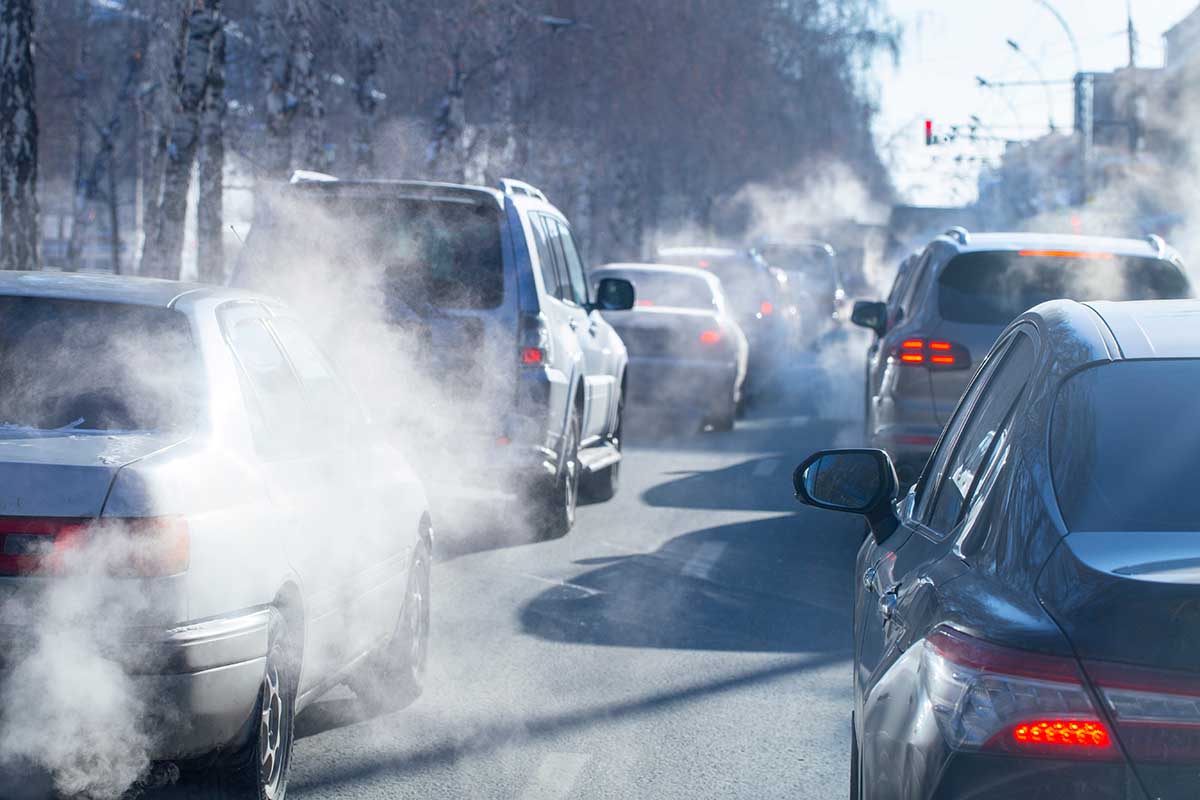
pollution from the exhaust of cars in the city in the winter. Smoke from cars on a cold winter day
Based on the EEA (European Environment Agency) the calculations per mode of transportation are as follows:
- 14 g of CO2 / passenger/km for the train
- 42 g CO2 / passenger/km for a small car
- 55 g of CO2 / passenger/km for an average car
- 68 g CO2 /passenger/km for a bus
- 72 g CO2 /passenger/km for a two-wheel motor
- 285 g CO2 /passenger/km for a plane
The standard formula then presents as the largest polluter of transportation. HOWEVER……… the formula can be tricky in that it does not allow for the use of higher passenger capacity planes which comprise the largest percentage of planes being used for travel today. If this is factored in then the situation changes leaving automobiles as the largest polluter. Air traffic based on the increased passenger loads contribute less than 20% of the global CO2 emissions while road traffic contributes approximately 10% of CO2.
Today extensive research is underway in developing alternative fuel sources in both the automotive and aircraft industries. For the automotive industry the development of hydrogen fuels and electric battery cars are being deployed through the world. While the debate rages on whether hydrogen fuels are better than electric cars, the technology behind hydrogen fuels is still far behind that of electric car availability. The fundamental issue regarding hydrogen fuels is related to the amount of energy needed to create the fuel. The current limitation of electric cars remains both the driving range AND powering battery time. For the moment electric cars are where significant investment in power station infrastructure and car model availability is creating the most attention and interest.
One of the misconceptions related to the contributors of pollution is that the shipping industry is a minor polluter slowly travelling the waterways and oceans without much impact. On the contrary the shipping industry is a significant contributor towards the global climate change question. Approximately 90% of total world trade is carried by sea. As a result, approximately 3% or 1 billion metric tons of carbon dioxide globally is generated into the atmosphere by ocean faring ships. This yearly amount of greenhouse gases is comparable to the emissions of several countries combined. In addition, the shipping industry generates water, noise and oil pollutions also and is responsible for more than 18% of other air pollutants such as nitrogen oxide, sulphur oxide etc. The burning of diesel fuel for propulsion by commercial shipping and the resulting expulsion of greenhouse gases continues today unabated today as the shipping industry continues to grow rapidly.
The critical solutions needed to reduce the greenhouse emissions fall primarily into 2 categories – technological applications and environmental regulations and enforcement.
TECHNOLOGY APPLICATIONS
From a technological perspective one focus area is related to the reduction of Sulphur oxide and Nitrogen oxide. Research shows that substantial reduction of Sulphur oxide emissions can be achieved by switching to lower sulphur marine fuels and using seawater scrubbing practices. The reduction of nitrogen oxide can be achieved by engine upgrades or re-circulating exhaust gas. In both cases investment and operational changes are required to have any impact on the current levels of greenhouse gas emissions being generated by the shipping industry. However, at this juncture the shipping industry is not being compelled to implement changes given the off shore legal corporate structures that the companies operate under.
ENVIRONMENT REGULATORY ENFORCEMENT
While the shipping industry has no economic incentive to incorporate engine upgrades not operational changes in buying lower sulphur fuels, there have been international efforts made to regulate the industry. Some of these efforts include treaties such as the Marine Pollution Treaty and the UN Convention on Law of the Sea both dealing with marine pollution from ships.
However, many of the current regulations are considered inadequate given that there are no incentives for compliance by the shipping industry. Until such time as countries begin to force transparency in the international corporate registration structures being exploited and begin to address the complexities of the global shipping industry, it will be left to corporations / companies to assume more responsibility for the environmental impact they are causing.

