Water is one of the fundamental components of most agricultural production and has played and will continue to play a critical function in country food security. It is however also the largest user of water resources and one of the major polluters of water. It is therefore critical that sustainable water management practices be employed within the agricultural industry in order to meet todays and future food security levels.
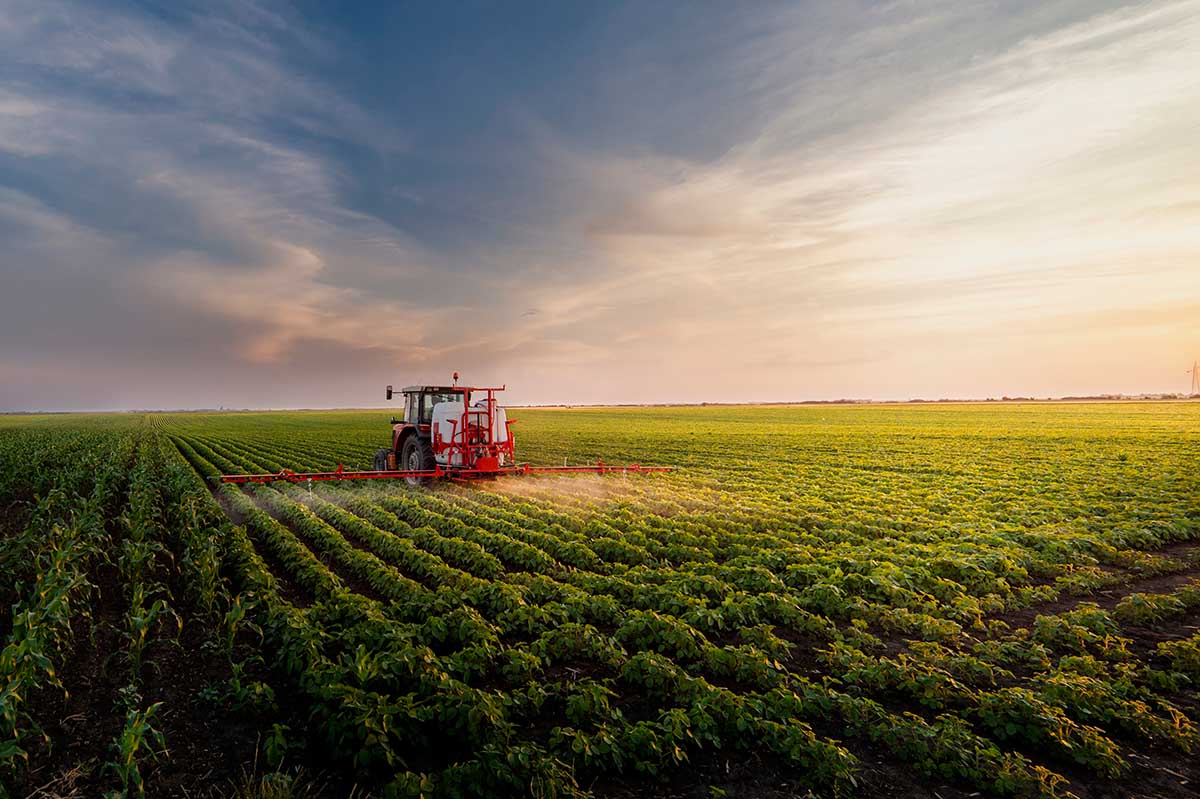
As population growth (projected to increase to over 10 billion by 2050), urbanization expansion and global climate change projections indicate that agricultural production will need to grow by approximately 70% by 2050. These projections will drive the increased pressure for more agriculture productivity making the need for sustainable water management critical.
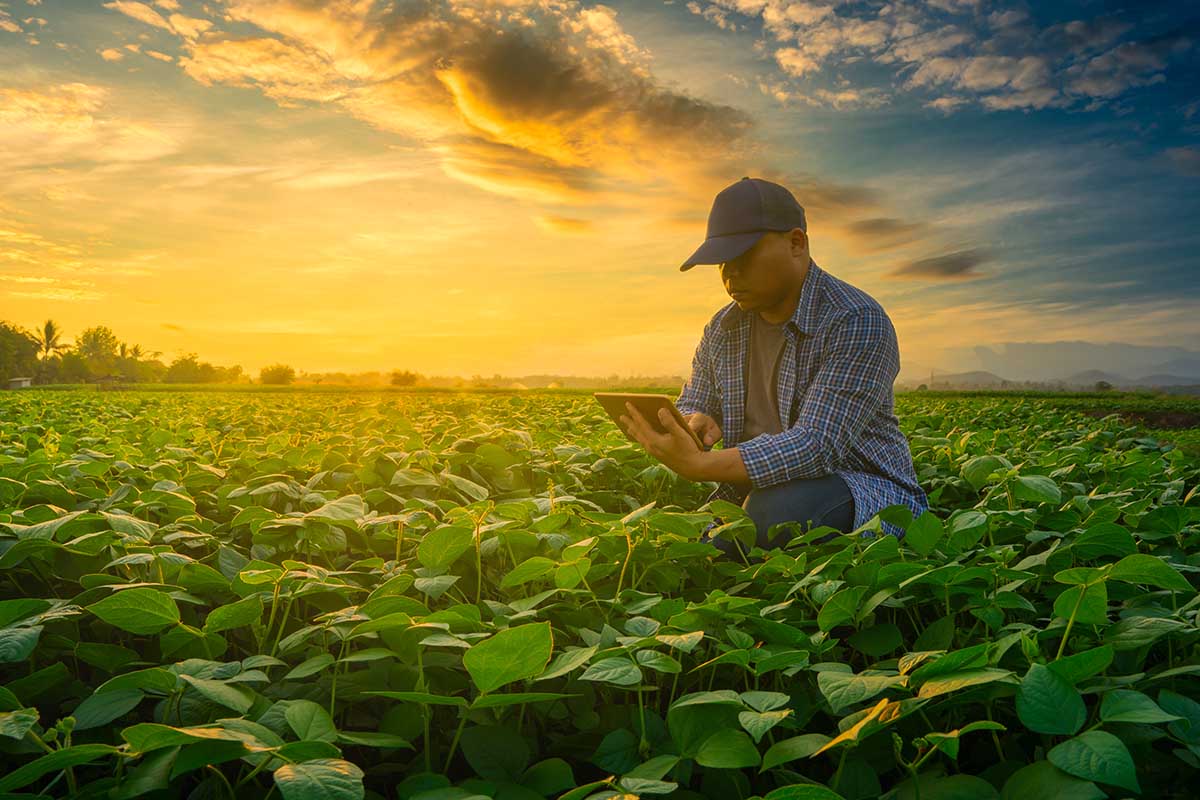
The trends are not positive. Currently irrigated agriculture, (the largest user (70%) of water globally), represents 20 percent of agriculturally dedicated land producing approximately 40 percent of total food production. While irrigated agriculture is approximately twice as productive as natural rainfall agriculture, food production intensification becomes a necessity in developing countries and countries with forest rich land.
As irrigated agriculture expands so does the need for intensive extraction of groundwater for irrigation. Often the depletion of underground water levels will lead to damaging top soil, reduction of drink water for communities and wildlife. In addition, agriculture remains a large contributor of water pollution due to over use of fertilizer, pesticides and livestock waste usually in the form of water run-off that will seep into the ground or other water sources such as ground water and streams/rivers.

